

 English
 中文简体
中文简体
 русский
 Español
 عربى
عربى


Business Notebook Design Changes
Posted by Admin
Paper business notebooks have remained a practical tool in professional environments for decades. While digital devices continue to shape modern workplaces, paper notebooks stay an essential tool in meetings, planning, and idea development. Over time, business notebooks have evolved in materials, cover design, and internal layouts, reflecting changes in work habits, environmental awareness, and efficiency requirements.
From Basic Materials to Sustainable Choices
Traditional business notebooks were produced with standard paper and simple cardboard or thin leather covers. Durability and environmental impact were rarely considered, as the primary goal was affordability and basic usability. Pages were often lightweight and prone to ink bleed, limiting the writing experience.
In contrast, modern business notebooks increasingly focus on sustainable and higher-quality materials. Recycled paper and bamboo fiber are now widely used to support environmentally responsible production while offering improved texture and strength. Environmentally friendly leather and leather-like materials provide a refined appearance without relying on traditional resource-heavy processes. These material changes not only improve durability but also align with modern corporate values related to sustainability and responsible sourcing.
The Shift in Cover Design
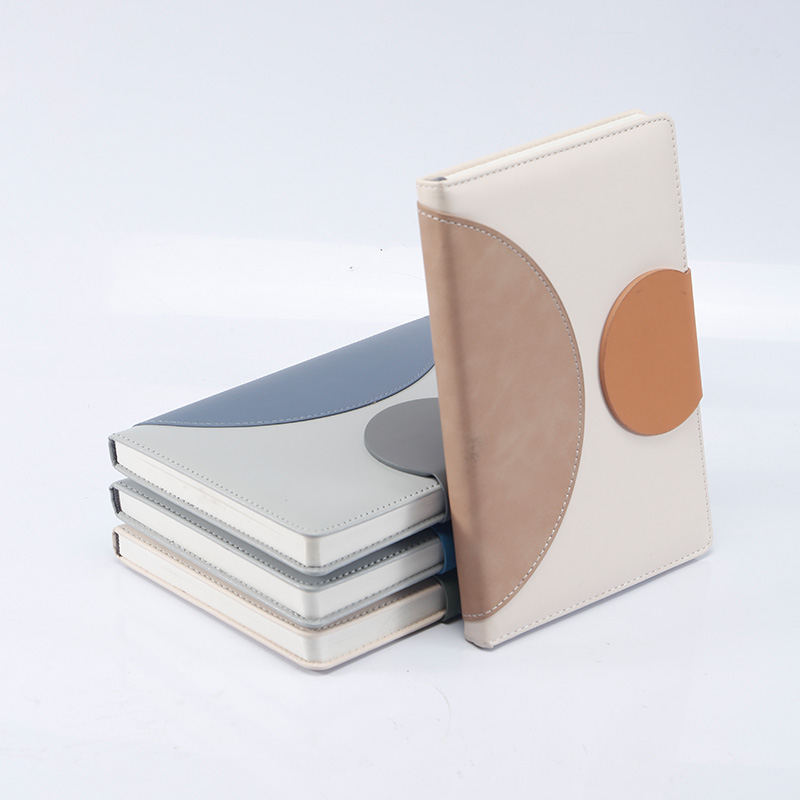
Cover design has seen clear changes across different eras. Earlier notebooks typically featured plain, single-color covers with limited visual identity. Their appearance was functional but rarely expressive.
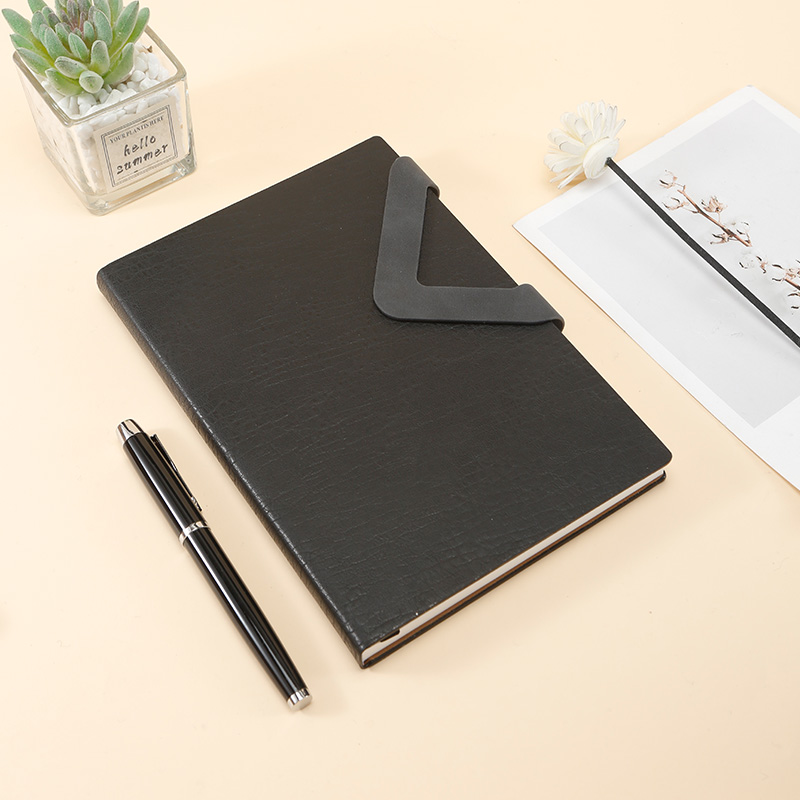
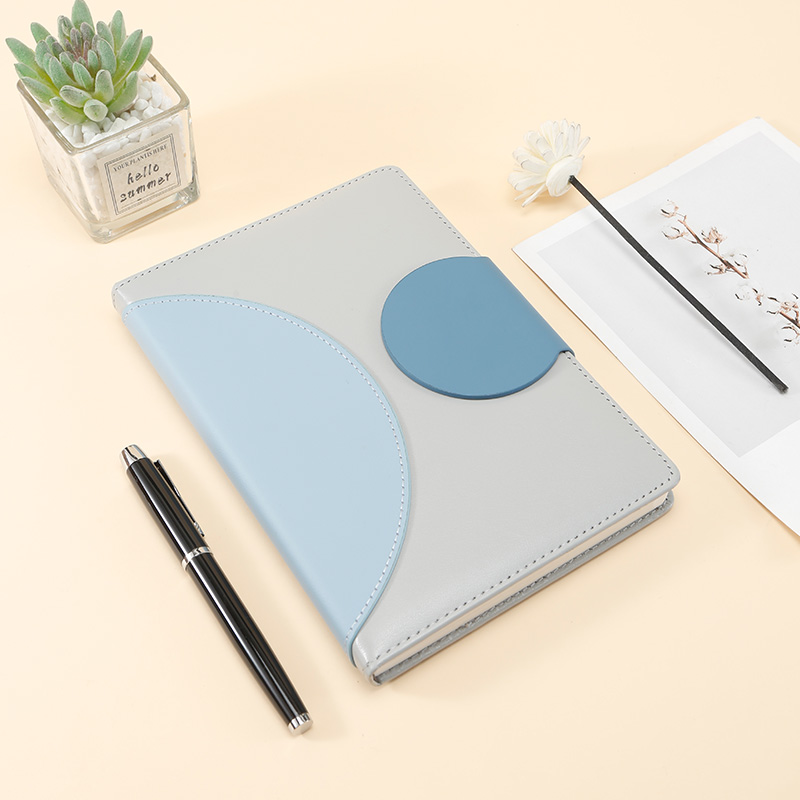
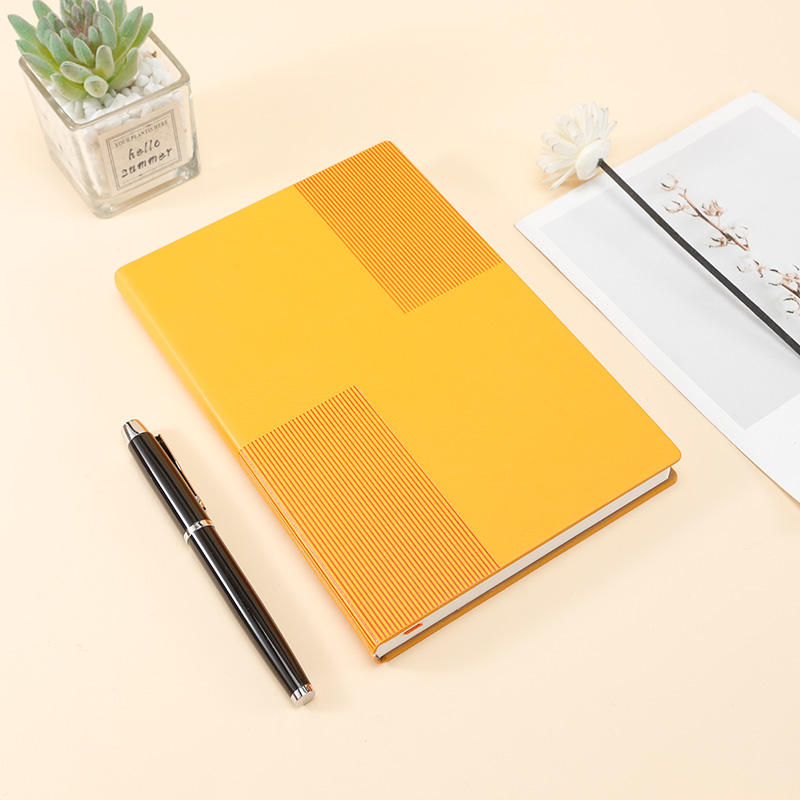
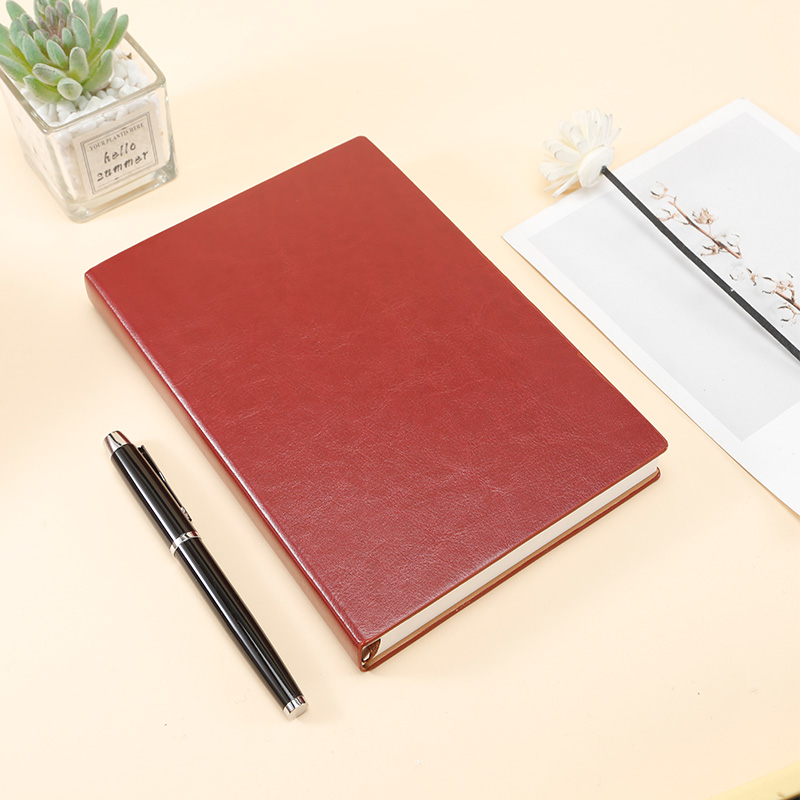
Contemporary business notebooks present more variety in cover styles. Clean and understated designs emphasize professionalism and adaptability in formal settings. Vintage-inspired business covers, often in warm tones or textured finishes, reflect a classic and established image. Premium leather-textured covers are commonly chosen for executive use or corporate gifts, highlighting attention to detail and long-term usability. These evolving styles allow organizations to select notebooks that match brand identity and professional tone.
Internal Page Layout Development
The internal structure of business notebooks has changed significantly. In the past, horizontal lined pages dominated the market, suitable mainly for basic note-taking. While effective for simple records, these layouts offered limited flexibility.
Modern notebooks now include a wide range of page formats designed to support diverse work tasks:
- Grid pages support charts, data organization, and structured planning.
- Dot grid pages allow flexible writing and diagram creation without rigid boundaries.
- Combined horizontal and vertical line layouts accommodate varied note-taking habits.
- Dedicated project management pages assist with organizing tasks, timelines, and responsibilities.
These layouts help professionals adapt their note-taking to meetings, brainstorming sessions, and long-term planning.
Template Innovation for Productivity
Another notable development is the introduction of structured templates within notebooks. Traditional notebooks rarely included predefined sections. Today, many business notebooks integrate task tracking pages, project progress layouts, and goal planning sections. These templates help users monitor priorities, evaluate progress, and organize information more systematically. As a result, notebooks have evolved from passive record tools into active productivity aids.
Combining Paper and Digital Systems
Although business notebooks remain paper-based, modern designs increasingly connect with digital workflows. QR codes or reference links printed within notebooks allow users to transfer handwritten notes to digital platforms for storage or collaboration. This approach supports a hybrid working style, combining the clarity of handwriting with the accessibility of digital tools.
Conclusion
The evolution of business notebooks reflects broader changes in professional environments. From basic materials and simple layouts to sustainable production, refined cover designs, and advanced internal structures, modern notebooks offer greater flexibility and relevance. With thoughtful material choices, functional layouts, and integration with digital systems, business notebooks continue to serve as reliable tools for organization, planning, and professional communication in today’s workplace.
Recommended products

Copyright@ Cangnan County Longxing Printing Co., Ltd. All Rights Reserved.
