

 English
 中文简体
中文简体
 русский
 Español
 عربى
عربى


Practical Guide to A5 Paperback Notebook Use
Posted by Admin
The User-Friendly A5 Paperback Notebook offers a practical writing format that supports note-taking in educational, professional, and personal settings. It's A5 size fits comfortably in bags, folders, and briefcases, making it a convenient option for people who need an accessible surface for everyday writing tasks. As a simple paper-based tool, this notebook serves a wide range of functions without unnecessary bulk, combining portability with versatility for a variety of activities.
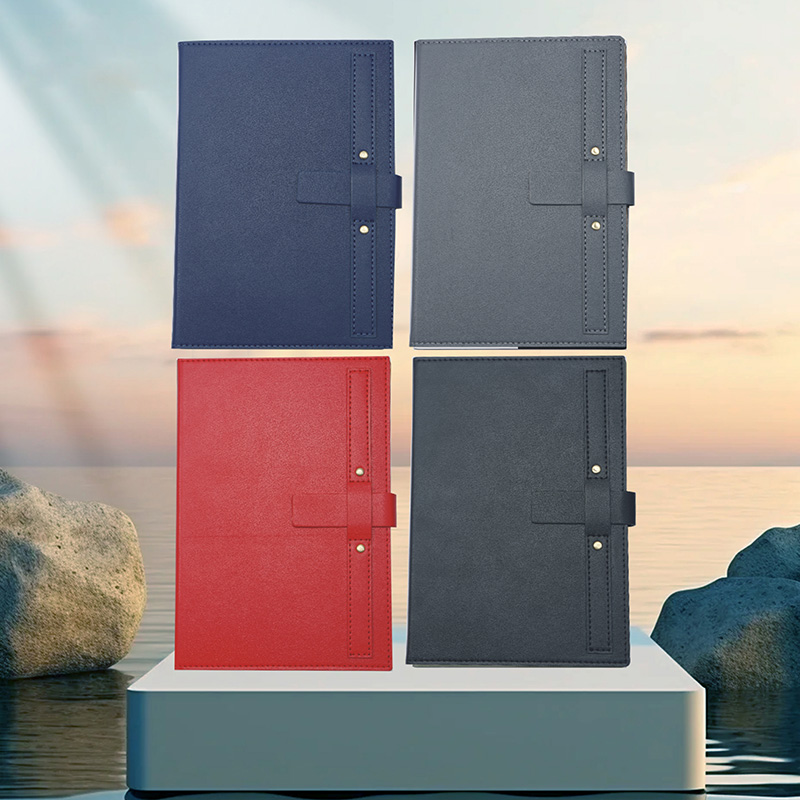
A key point of interest is how the A5 size provides enough writing area while remaining easy to handle. Pages can be ruled, dotted, or blank, depending on the intended use. Ruled pages support structured writing, dotted pages work well for planning layouts, and blank pages assist with sketching, brainstorming, or creative note-taking. These features allow the notebook to adapt to different uses without requiring complex designs, ensuring that both casual users and professionals find it suitable for their needs.
Material selection plays an important role in notebook performance. Most paperback notebooks use standard paper suitable for common pens, pencils, and markers. Paper weight varies between designs, offering different levels of thickness and writing comfort. Higher-quality paper can reduce ink bleed-through, creating a cleaner writing experience. Cover flexibility is another consideration; soft paperback covers reduce overall weight while still protecting the contents. Some options include coating or textured finishes that enhance durability and offer a more premium tactile experience without adding bulk.
Binding type is also relevant. Side-stitched and perfect bound notebooks appear frequently because they support a natural writing feel and maintain page alignment. While not intended for heavy load storage, these binding styles ensure the notebook opens flat enough for smooth handwriting. Certain models incorporate perforated pages for easy removal, which can be useful for notes, sketches, or shared documents, depending on the user's needs. In addition, some notebooks offer inner pockets or cardholders, increasing their organizational functionality.
Notebooks in the A5 paperback category support daily note collection in a wide range of environments:
- Educational study notes and lecture outlines
- Office meeting records, project plans, and task tracking
- Travel writing, diaries, and personal documentation
- Sketches, creative ideas, and visual planning
This notebook size can be held comfortably in small spaces, such as on a train, during a lecture, or at a café table, making it helpful for quick documentation or spontaneous writing.
Common Features and Specifications
- Page Size: A5, providing portability with adequate writing area
- Paper Weight: 70–100 gsm, suitable for pens, pencils, and light markers
- Page Layouts: Ruled, dotted, or blank, supporting different writing and planning styles
- Page Count: 80–200 pages, accommodating short notes to extended writing projects
- Binding Type: Side-stitch or perfect bound, allowing notebooks to open flat for writing
- Cover Options: Soft paperback with optional coating or textured finish for durability
- Additional Features: Some models include perforated pages, inner pockets, or card slots
For suppliers and potential buyers, clear specification details are useful when discussing bulk or wholesale orders. Custom cover printing, company branding, multi-unit packaging, and specific paper options are commonly considered. Providing a detailed list of requirements, such as page count, binding type, cover design, and additional features, helps ensure smooth communication and faster quotation processes.
In summary, the User-Friendly A5 Paperback Notebook provides a balanced writing experience for those who rely on handwritten organization. Its portability and flexible design support use in varied environments, while its straightforward layout allows it to function as an orderly space for notes, plans, sketches, and other written records.
Recommended products
Copyright@ Cangnan County Longxing Printing Co., Ltd. All Rights Reserved.
