

 English
 中文简体
中文简体
 русский
 Español
 عربى
عربى


A5 Paperback Notebook Guide
Posted by Admin
A5 paperback notebooks are widely used by students, professionals, and creative individuals for a range of purposes. Their size, flexible layout, and straightforward design make them suitable for writing, drawing, planning, and organizing ideas.
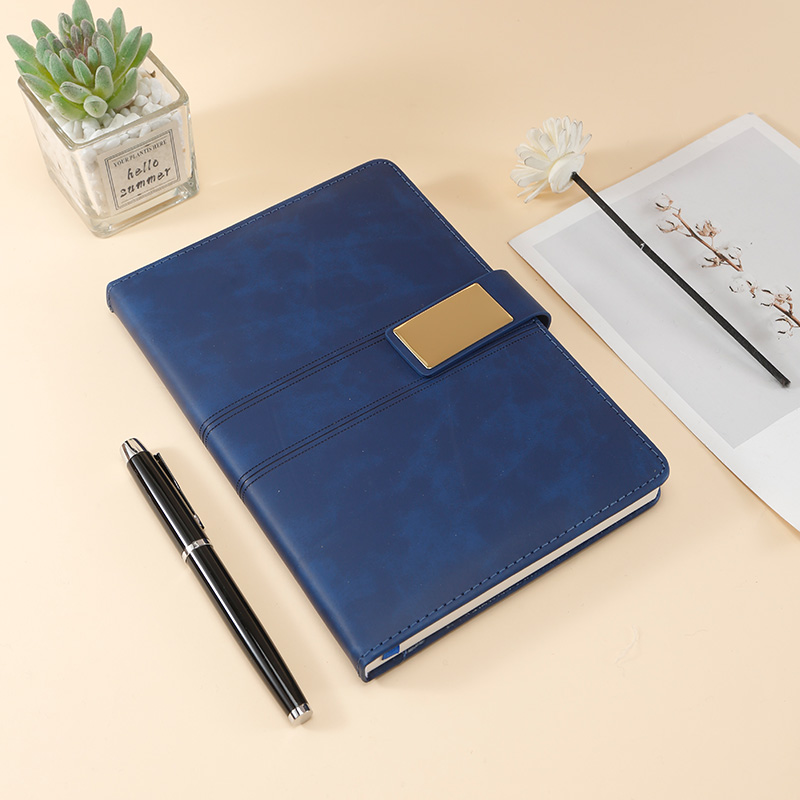
Design and Appearance
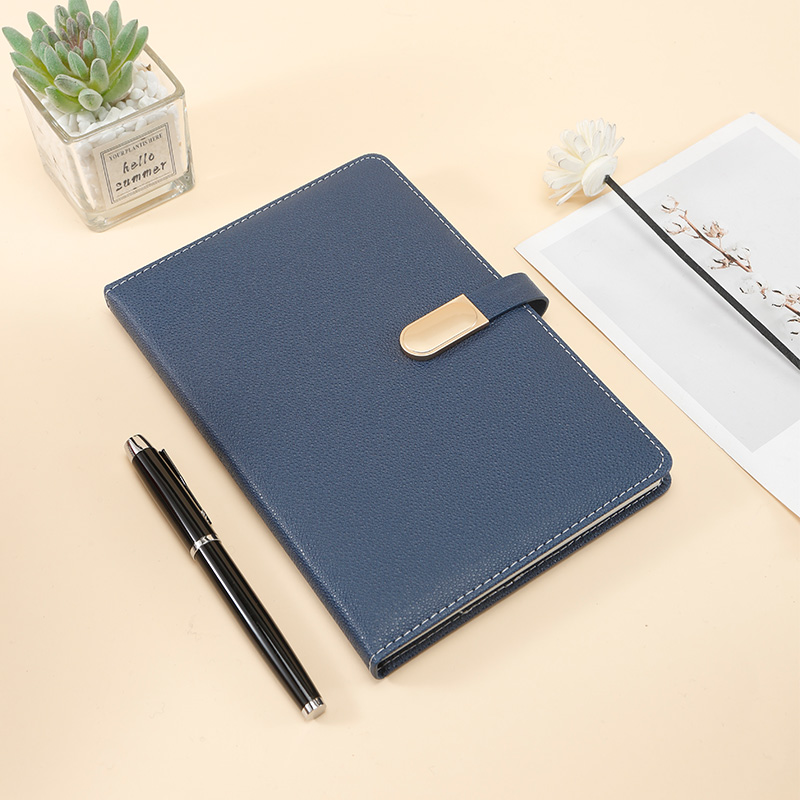
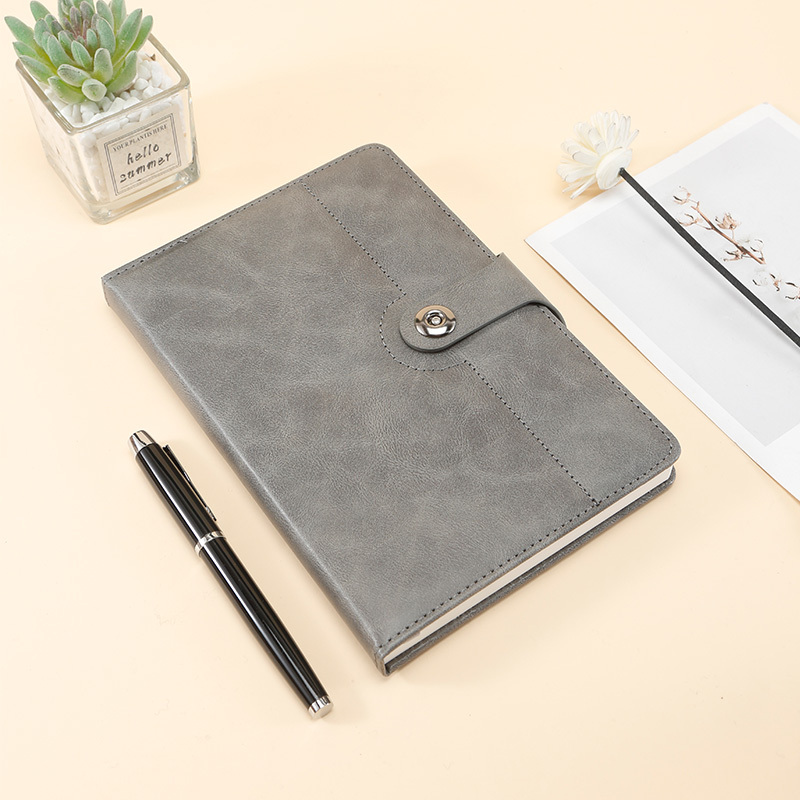
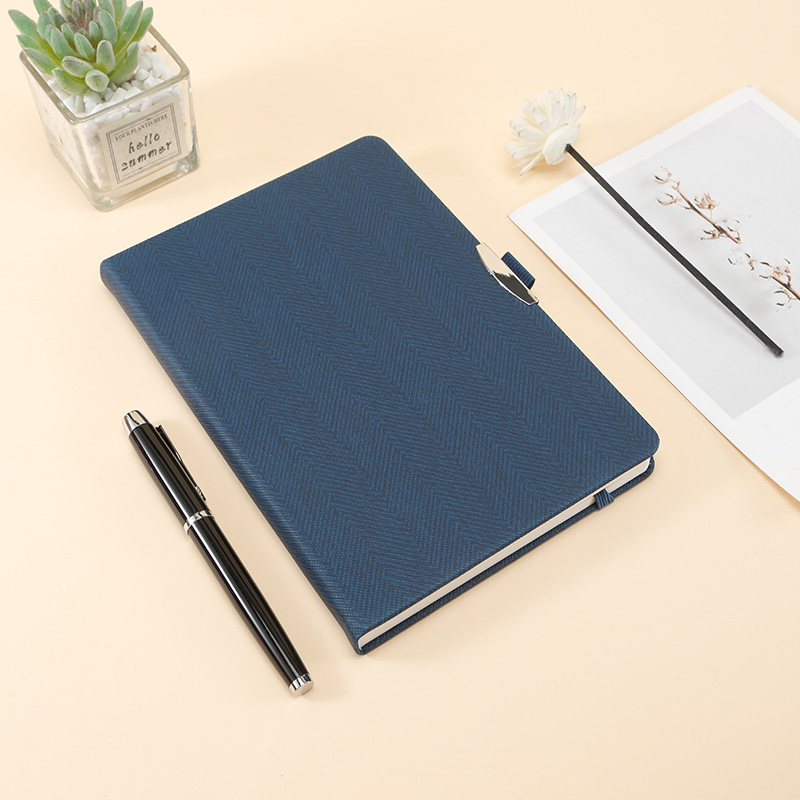
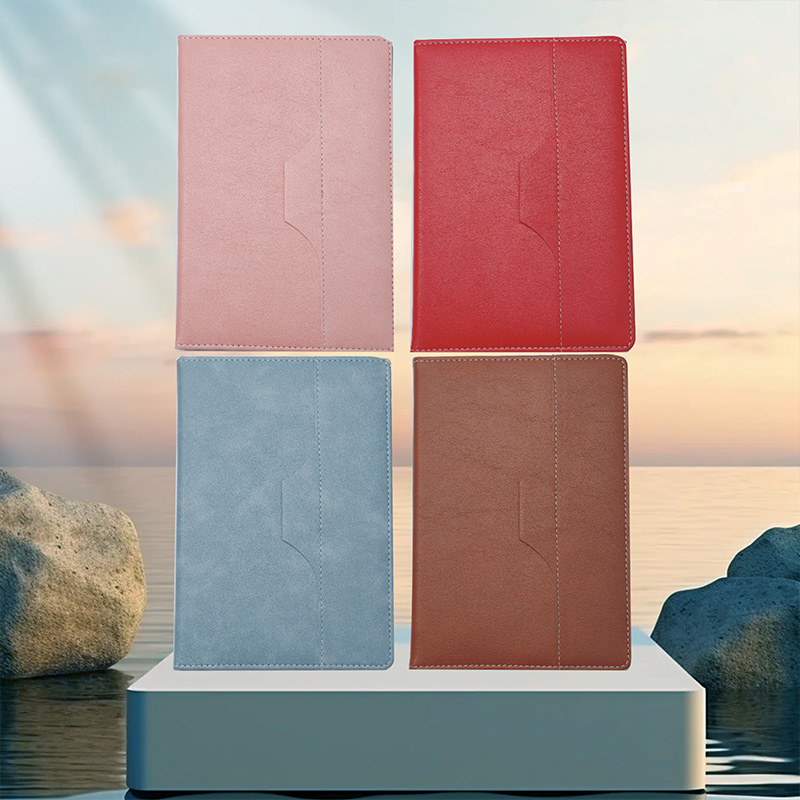
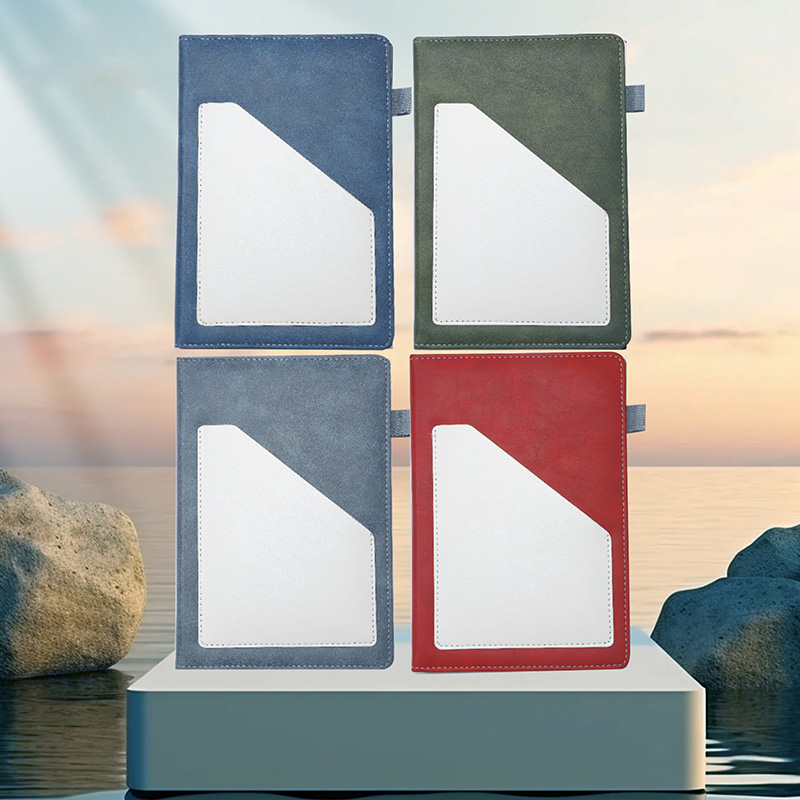
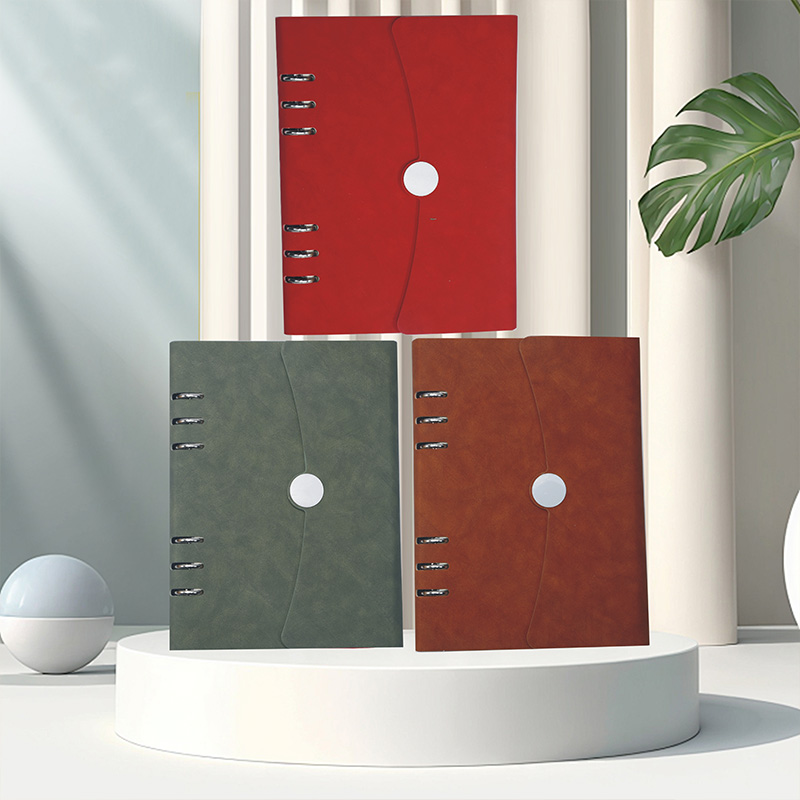
A5 paperback notebooks are available in various designs and finishes. Some feature plain, minimalist covers, while others use textured, patterned, or metallic finishes. This variety allows users to select notebooks that match personal style or specific work needs. In addition, page layout options such as lined, dotted, grid, or blank pages support different activities, from structured note-taking to freeform sketches. Many notebooks include features such as soft covers for easy handling and light weight for portability.
Function and Versatility
Functionality is an important aspect of A5 paperback notebooks. Lay-flat binding allows users to write comfortably across the full page. Some notebooks include built-in bookmarks, numbered pages, or internal pockets for storing loose notes. The A5 size, approximately 148 × 210 millimeters, provides enough space for detailed notes or drawings while remaining easy to carry in a bag or backpack. Some notebooks with grid or dotted layouts are suitable for planning, habit tracking, charts, and diagrams. Users can also repurpose these notebooks for project documentation or personal journals.
Materials and Environmental Considerations
Material quality varies across different notebooks, and many are designed to support a range of writing tools, including ballpoint pens, gel pens, and fountain pens. Paper thickness and texture affect writing performance and ink absorption. Some A5 paperback notebooks use recycled or sustainably sourced paper, and some employ environmentally conscious printing and minimal packaging. These choices reflect attention to material quality and environmental considerations without compromising usability.
Common Uses
A5 paperback notebooks are used in multiple contexts. Students often rely on them for class notes, assignments, or study outlines. Professionals may use them for meeting notes, project planning, or keeping track of tasks. Creative users, such as artists and designers, may use A5 notebooks for sketches, drafts, or recording ideas. Additionally, many people use them as personal journals, planners, or habit trackers. The portability of A5 notebooks makes it convenient to carry one throughout the day, providing a consistent place for writing or drawing when needed.
Additional Considerations
When selecting an A5 paperback notebook, factors to consider include paper type, page layout, binding style, and cover material. The choice of paper thickness can affect how well pens or markers perform, while the binding type can influence durability and ease of use. Cover materials vary from flexible soft covers to more rigid options, which can provide extra protection for pages. Users may also consider the number of pages and weight when choosing a notebook for specific tasks.
FAQ
Q1: What distinguishes A5 notebooks from other sizes?
A1: A5 notebooks are smaller than A4 but larger than pocket-sized notebooks. This makes them convenient to carry while still providing sufficient writing space.
Q2: Can A5 paperback notebooks be used with fountain pens?
A2: Yes, depending on paper quality. Some notebooks feature thicker, smoother paper that supports fountain pen use without excessive bleed-through.
Q3: Are A5 notebooks suitable for creative work or planning?
A3: Yes. Many A5 notebooks offer lined, dotted, grid, or blank pages, allowing flexibility for drawing, sketching, journaling, or planning activities.
Q4: How do I choose the right A5 paperback notebook?
A4: Consider factors such as page layout, binding type, paper thickness, cover material, and number of pages. Choosing a notebook that aligns with your intended use can improve convenience and usability.
A5 paperback notebooks provide a practical combination of size, functionality, and material quality. Their versatility makes them suitable for a wide range of everyday activities, including writing, drawing, planning, and personal record-keeping. The variety of designs and page formats allows users to select notebooks that meet both functional and aesthetic preferences.
Copyright@ Cangnan County Longxing Printing Co., Ltd. All Rights Reserved.
