

 English
 中文简体
中文简体
 русский
 Español
 عربى
عربى


A5 Loose Leaf Notebook for Everyday Writing
Posted by Admin
In a world where digital note-taking tools proliferate, the A5 Loose Leaf Notebook remains a surprisingly resilient and versatile option — favored by students, professionals, creatives, and journaling enthusiasts alike. Its balanced size, customizable structure, and flexibility make it a stationery staple for many.
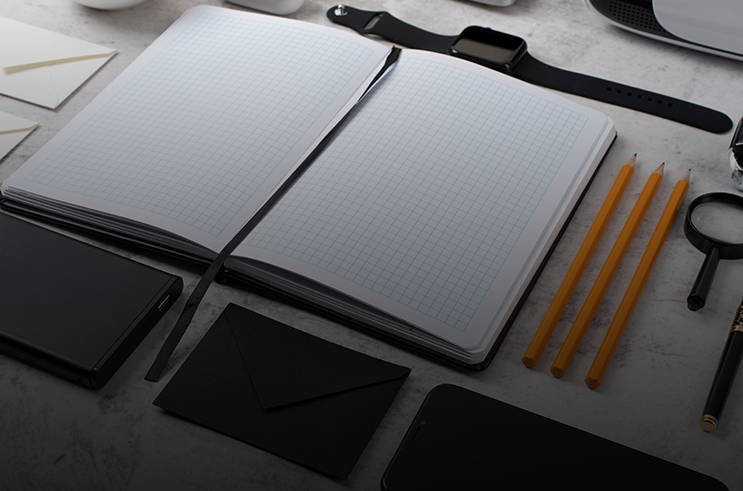
Why many choose A5 loose-leaf notebooks
- Balanced size: portability plus enough writing space. The A5 format offers a “sweet spot” — compact enough to fit a backpack or tote bag, yet spacious enough for detailed notes, sketches, or structured layouts. This makes it ideal for classroom notes, meeting logs, travel journals, or personal diaries.
- Flexible page organization. Unlike glued or spiral-bound notebooks, a loose-leaf system allows users to add, remove, or reorganize pages. This adaptability is valuable for projects that evolve — for example: dividing notes by subject, rearranging meeting minutes, or keeping separate sections for different tasks.
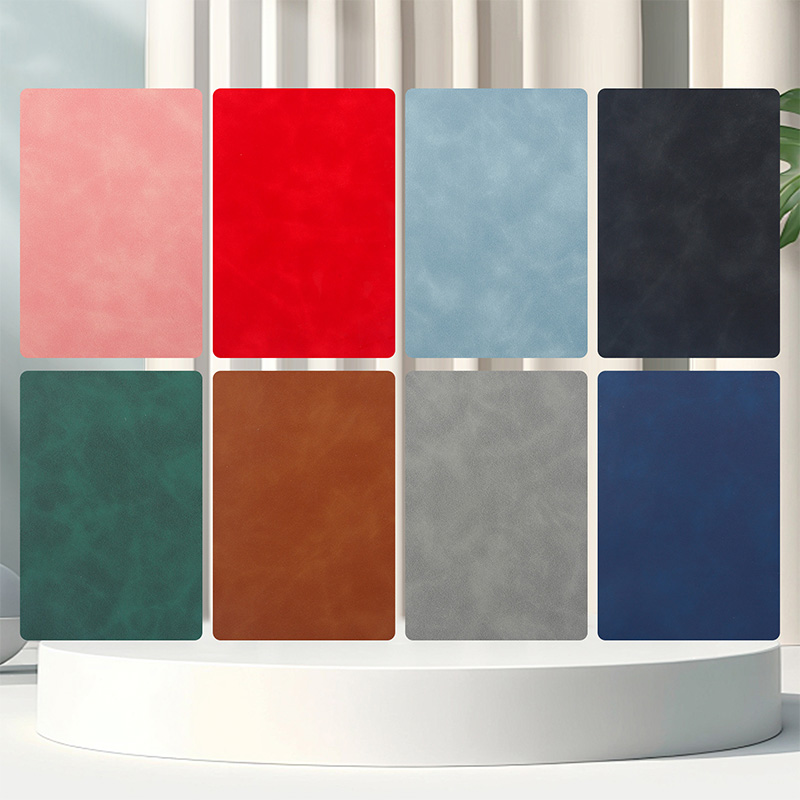
- Customizable and refillable. Many A5 loose-leaf products support refill inserts, leather covers, pockets, pen loops, or other accessories. This makes the notebook a more lasting tool, rather than a disposable notepad — suitable for long-term archiving or a personalized writing system.
Challenges that often arise
However, not all A5 loose-leaf notebooks are created equal — users frequently raise valid criticisms:
- Paper quality can be inconsistent. Some loose-leaf refills use thin paper that may feather or bleed when used with fountain pens or inks; in extreme cases, ghosting or show-through makes the back side unusable. For serious writers, artists, or note-takers, this can significantly reduce usability.
- Loose leaf binders/binders themselves vary in quality. Cheap covers or ring mechanisms may wear quickly, pages may tear, or alignment may be off. And some loose-leaf dot-grid refills are reported to have “inconsistent grids,” which frustrates users aiming for neat layouts.
- Expectation vs reality: “A5” isn’t always standardized. Some notebooks labeled A5 are slightly off — users comparing across brands sometimes find size differences that impact layout, cover fit, or planner compatibility.
Who benefits most from A5 loose-leaf notebooks
| User Type | Why They Benefit |
|---|---|
| Students & Academics | Compact yet spacious enough for lecture notes, references, and diagrams; easy to organize by subject. |
| Professionals & Office Workers | Portable for meetings; good for meeting minutes, to-do lists, project notes; refillable for long-term archive. |
| Creatives & Artists | Flexible for sketches, brainstorming, journaling; loose pages allow mixing sketches, notes, and writing. |
| Journalers & Bullet-journal Enthusiasts | Customizable layout (blank, lined, dot/grid), ability to reorganize and archive, supports habit tracking. |
What to look for when selecting an A5 loose-leaf notebook
When considering a loose-leaf notebook, here are criteria that matter:
- Paper quality (GSM, bleed/feather resistance): Ideally 80 gsm or higher, to support fountain pens, markers, or heavier ink without bleed or ghosting.
- Binding / ring mechanism quality: Smooth, secure rings (e.g. 6-ring or similar), minimal risk of page tearing or misalignment.
- Cover material and durability: Hardcover, leather (real or faux), or durable synthetic covers that protect pages and support daily transport.
- Refillability and expandability: Support for adding/removing pages; availability of refill packs (lined, blank, dotted, grid).
- True A5 dimensions: Ensure it is close to standard A5 (≈ 148 × 210 mm) so that accessories or inserts fit properly.
Examples of A5 loose-leaf notebooks that align well with user expectations
- O Ring / Refillable Binders: Offers flexibility, refillable structure, and durable cover — good for long-term use.
- High-quality blank or grid notebooks: For users focusing on creative writing, sketching, planning, or bullet-journal layouts.
- Budget-friendly options with decent paper: For students or users who need many pages but are price-sensitive — though they may need to accept trade-offs in paper thickness or cover durability.
Conclusion
Given its versatile size, customizable structure, and broad applicability across scenarios — from academic note-taking and business planning to creative journaling and sketching — the A5 loose-leaf notebook remains a strong choice for anyone who values analog writing or wants a flexible, long-term writing system. As long as buyers pay attention to paper quality, binding and cover durability, and true A5 dimensions, the loose-leaf format can deliver more control, organization, and personalization than many traditional or digital alternatives.
Recommended products


Copyright@ Cangnan County Longxing Printing Co., Ltd. All Rights Reserved.
