

 English
 中文简体
中文简体
 русский
 Español
 عربى
عربى


A5 Paperback Notebook Daily Use Guide
Posted by Admin
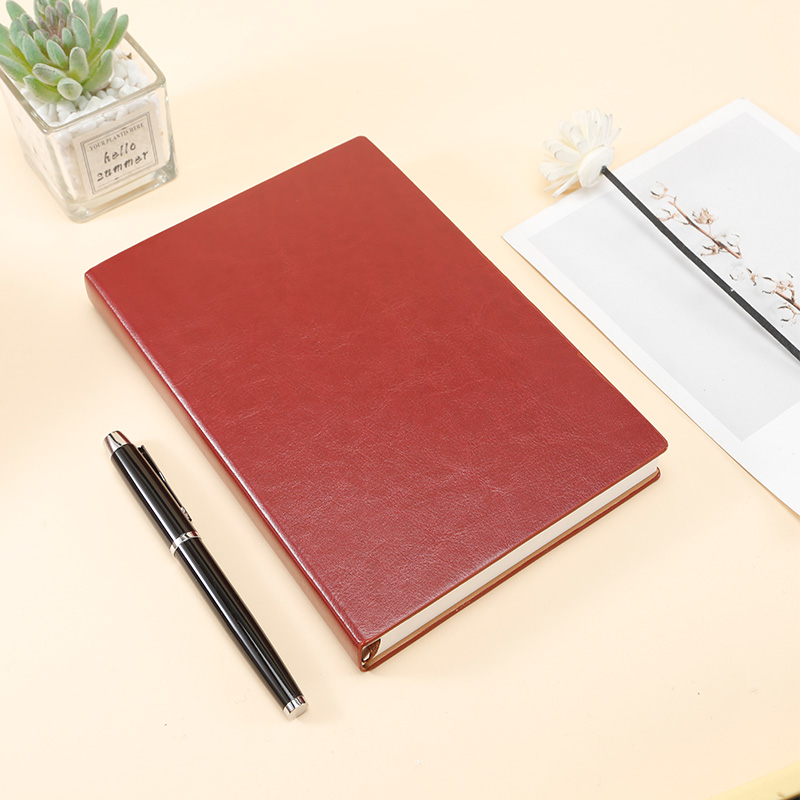
The A5 Paperback Notebook often appears in global discussions related to portable stationery because many users rely on it for quick note recording in offices, classrooms, and travel settings. Many users also share feedback on how the A5 format fits easily in small pouches or desk organisers, helping them maintain a regular writing habit throughout the day.
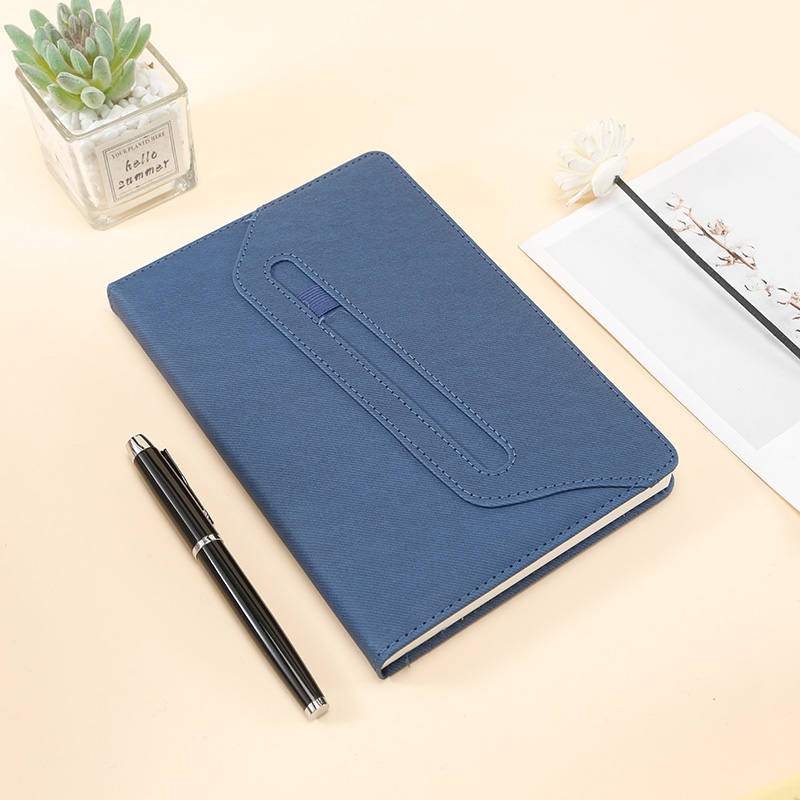
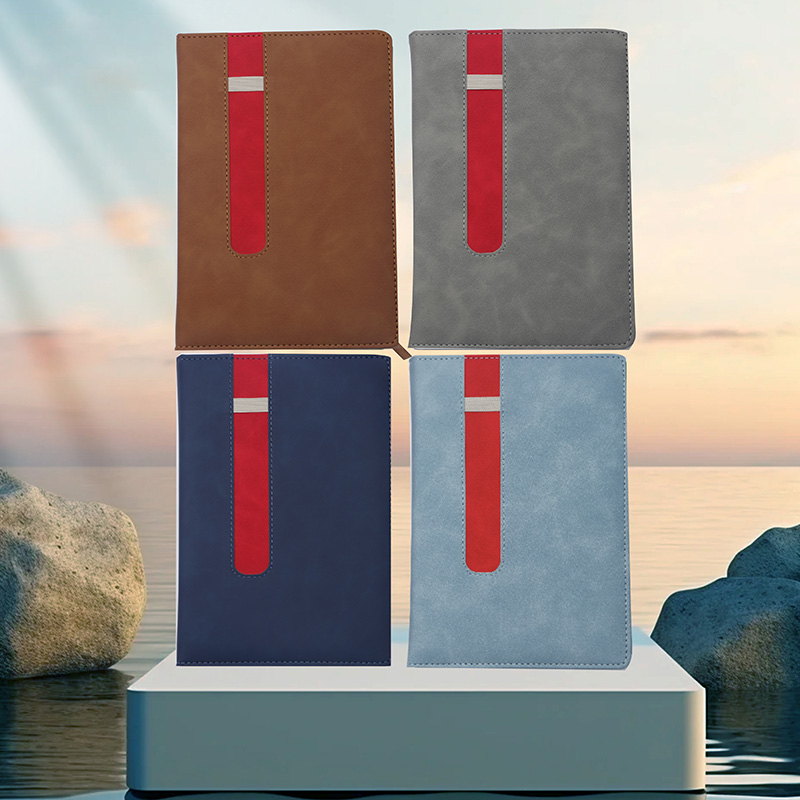
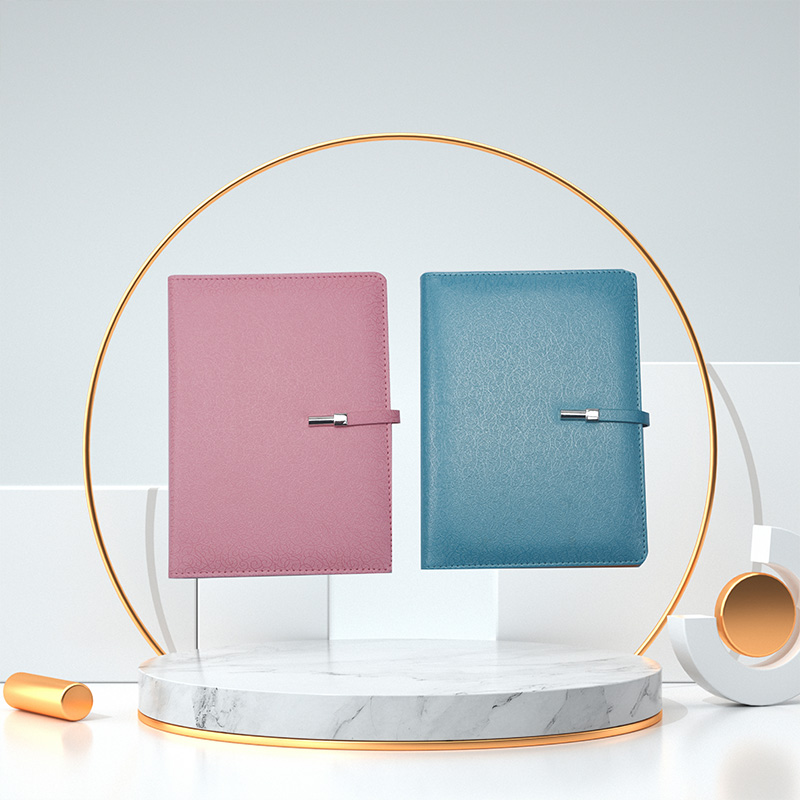
Another common topic involves the variety of designs offered in A5 paperback products. Community conversations point to interest in matte covers, artistic prints, soft pastel styles, and simple monochrome formats. Attention also falls on paper quality, page smoothness, and binding stability, since these factors influence daily usability. Eco-conscious buyers often discuss recycled paper, low-ink printing, and lightweight covers that reduce material usage. These themes keep the A5 paperback category active across multiple online communities.
Popular Topics Across International Platforms
Recent activity on different platforms highlights several recurring themes:
- QR-printable covers used in school projects, conference kits, and brand events
- A5 softcover notebooks in a minimal design for journaling and planning
- Lightweight 80–100 gsm paper options preferred for everyday notes
- A5 art notebooks used for idea sketching and concept drafting
- Soft paperback models chosen for gift packs, small businesses, and training materials
These discussions show that A5 paperback formats attract interest from students, office workers, designers, and small enterprises.
Core Features Mentioned in User Discussions
- A5 size suitable for compact storage
- Softcover design that helps reduce bulk
- Page counts from 80 to 200 pages
- Elastic band or pocket add-ons for higher convenience
- Multiple layouts such as ruled, dotted, plain, and grid
Product Comparison Data
To help buyers understand differences among A5 paperback models, the table below summarizes typical specifications from market listings.
A5 paperback options offer simple structure and light weight, while hardcover models focus on durability and thicker paper types.
Eco-related Themes in Public Discussions
Many users express interest in recycled paper, plant-based inks, and FSC-certified materials. Sellers often include information on paper origin, cover recyclability, or low-plastic packaging, allowing buyers to choose products that align with personal environmental goals. Softcover A5 notebooks often adopt recycled pulp due to lower material demand compared to hardcovers.
Practical Use Scenarios
- Daily meeting notes for office teams
- Project outlines for engineering or design tasks
- Class notebooks for lectures, reading summaries, and assignments
- Journaling routines for personal reflection
- Simple sketchbooks for rough drawings and layout ideas
- Travel notebooks for route notes and small reminders
A5 size supports both compact carry and adequate writing space, which many platform users describe as a convenient balance.
FAQ Section
Q1: How many pages are suitable for everyday school or office notes?
A: Many users choose 100–160 pages, offering enough space for several weeks of notes.
Q2: What paper weight works for gel pens?
A: 90–100 gsm helps reduce ink marks on the opposite side of the page.
Q3: What layouts are most common for work tasks?
A: Ruled and grid pages appear frequently in office-related posts due to their structured format.
Q4: Can soft paperback covers support long-term notes?
A: Yes. Although softcovers are lighter, many models maintain stable bindings that hold up under regular handling.
Conclusion
The A5 Paperback Notebook holds a steady position in both personal and professional environments. Its portable size, flexible layouts, and wide range of designs allow users to select versions that match daily writing demands. From classroom notes to business planning and creative idea recording, the A5 paperback format continues to serve as a dependable choice for individuals who value convenience, clear page structure, and practical design.
Recommended products
Copyright@ Cangnan County Longxing Printing Co., Ltd. All Rights Reserved.
