

 English
 中文简体
中文简体
 русский
 Español
 عربى
عربى


Easy-To-Carry A5 Paperback Notebook Inside the Modern Factory Revolution
Posted by Admin
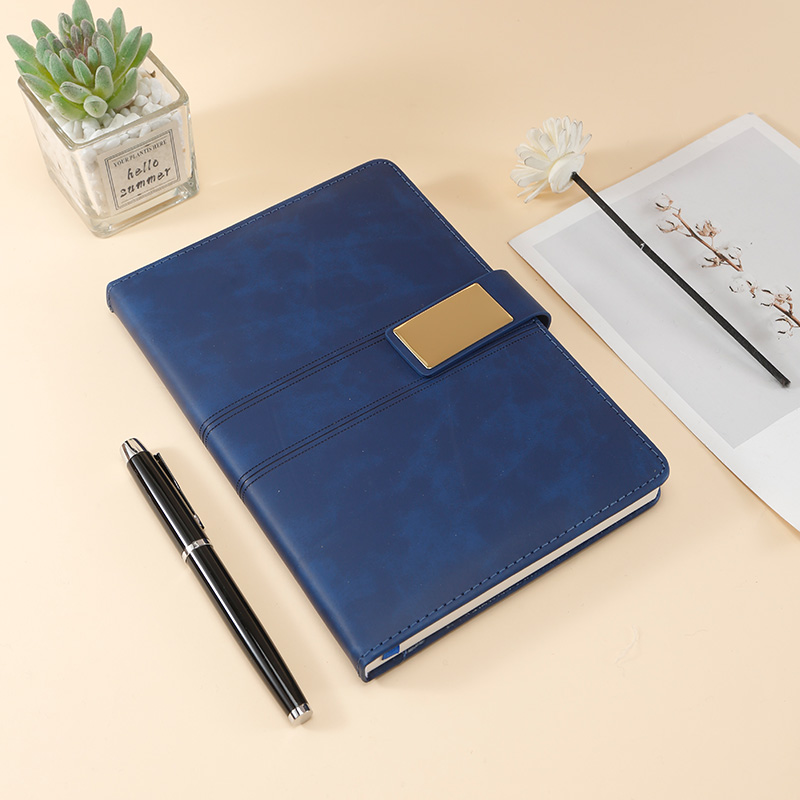
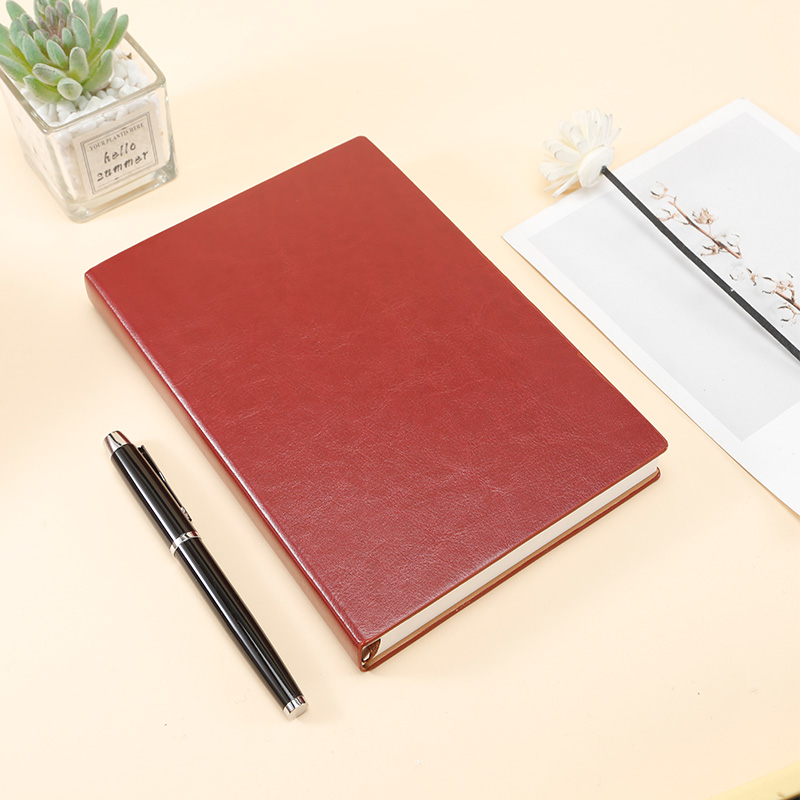
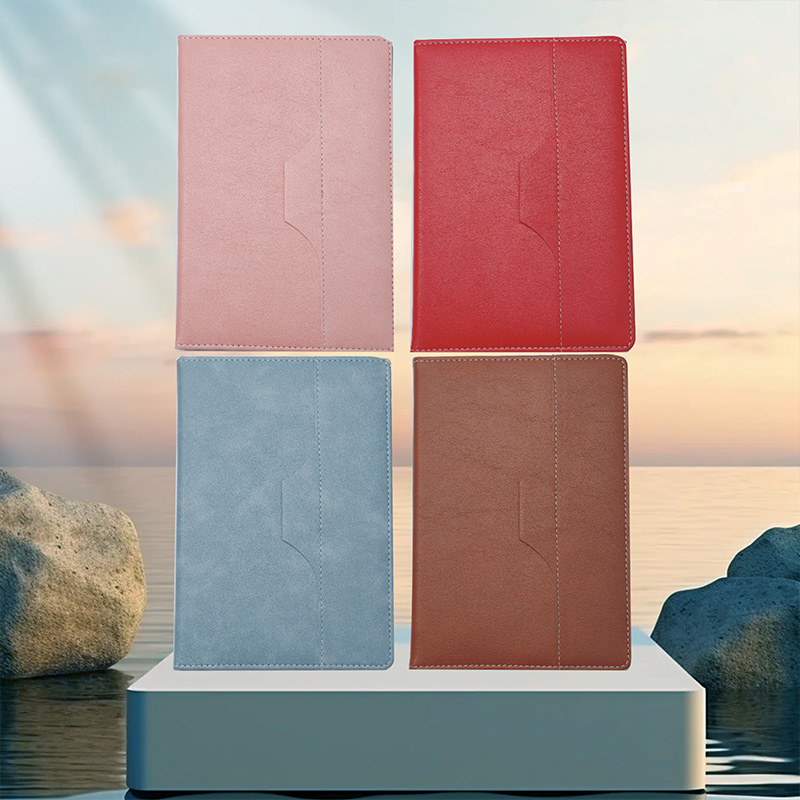
In the realm of notebook production, the Easy-To-Carry A5 Paperback Notebook has quietly become a favorite of manufacturers and buyers alike. It’s compact, reliable, and simple enough to keep production lines running smoothly. But behind that minimal cover lies a story of smart efficiency, evolving buyer habits, and a dash of industrial humor that every factory worker understands.
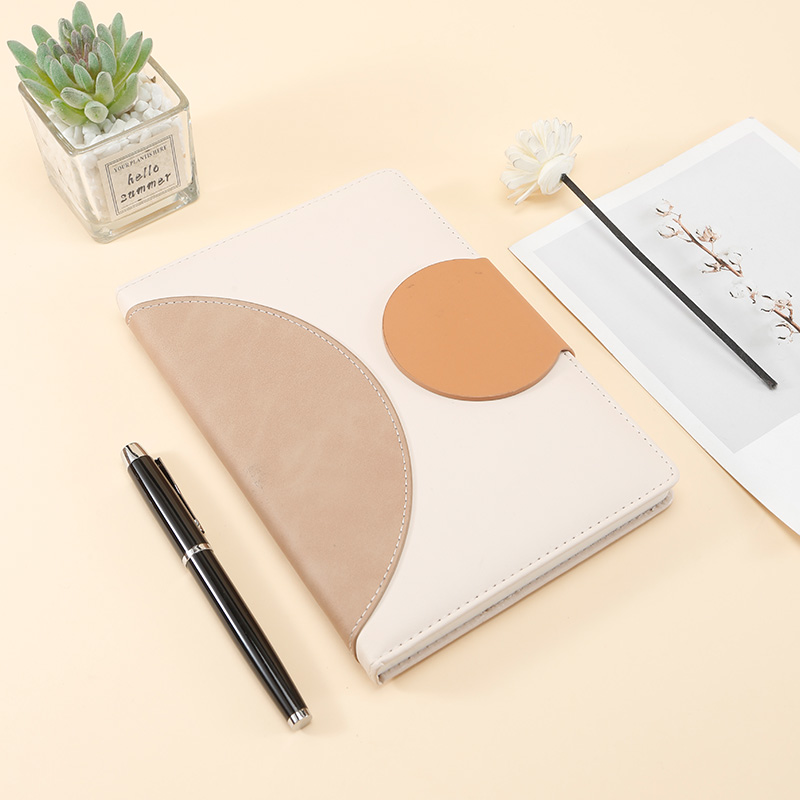
Easy-To-Carry A5 Paperback Notebook in the Eyes of the Factory
Imagine a production floor where machines hum like a perfectly rehearsed orchestra. The A5 paperback notebook fits right into that rhythm. Its dimensions are ideal for automatic cutting, folding, and binding machines. Operators often joke that A5 models “behave” better than larger formats — fewer jams, fewer paper misfeeds, and a faster pace.
Production tests show that A5 paperback runs can achieve up to 15–20 percent higher throughput compared to bulkier hardcover notebooks. Why? Because lighter materials move faster through machinery and require less glue setting time.
Easy-To-Carry A5 Paperback Notebook and Material Optimization
Every manufacturer loves numbers that make sense. Switching from heavier board covers to paperback stock can reduce material consumption by up to 25 percent per batch. That’s less weight to lift, fewer pallets to ship, and lower packaging costs.
The flexible cover also allows creative finishes without complex lamination steps — embossing, matte textures, or simple UV coating — all easy to handle on high-speed lines. It’s practical art in motion, where design efficiency meets production logic.
Easy-To-Carry A5 Paperback Notebook in the Global Market
From factory floor to buyer’s desk, the story continues. Distributors report that the A5 paperback notebook dominates recurring orders in academic and business sectors. Students appreciate how it slides neatly into small bags. Office workers like that it stays open during meetings. Even exporters enjoy its uniform dimensions — less product variation means simpler inventory control.
Industry data show that more than 60 percent of international notebook shipments now include A5-sized products. Among those, paperback versions lead in volume thanks to their lighter shipping weight and higher stacking density. For every hundred cartons of hardcover notebooks, a factory can often ship 130 cartons of A5 paperbacks in the same container. Logistics teams call it “bonus space” — a phrase that sounds much better than “shipping cost.”
Easy-To-Carry A5 Paperback Notebook Factory Q&A
Q: Why do production managers prefer A5 paperbacks?
- A: They’re consistent, compact, and machine-friendly. Less downtime, more productivity, and fewer misprints — what’s not to love?
Q: Do paperback notebooks compromise durability?
- A: Not when properly glued and pressed. Quality adhesive and precise spine folding ensure long life, even after hundreds of page turns.
Q: Are these notebooks only for students?
- A: Hardly. They show up in conference rooms, art studios, travel diaries, and even construction site notes. The format fits everywhere ambition does.
Easy-To-Carry A5 Paperback Notebook as a Production Benchmark
Factories view the A5 paperback as a reliable benchmark model. It keeps production lines calibrated, helps test new materials efficiently, and fills steady demand cycles year-round. It’s not the flashy star of the stationery world — more like the steady worker who never misses a shift. And that reliability translates directly into stable business performance.
In conclusion, the Easy-To-Carry A5 Paperback Notebook represents a rare harmony between form, function, and factory efficiency.Its lightweight build enhances speed, its durable form ensures longevity, and its refined structure optimizes every manufacturing stage.
Recommended products
Copyright@ Cangnan County Longxing Printing Co., Ltd. All Rights Reserved.
